

 See My Latest Article on HelloNation
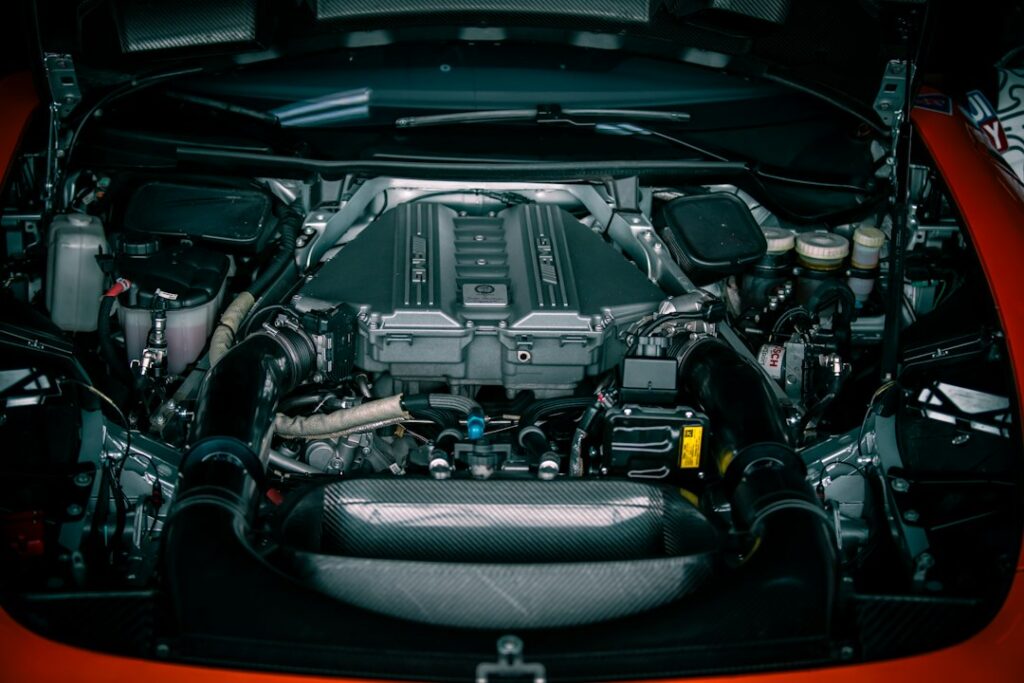
Luxury vehicles often require more than routine oil changes and brake work. Their engines, electronics, suspension systems, cooling systems, and driver-assistance features may use specialized procedures that are easy to misdiagnose or damage with the wrong equipment. Finding a trustworthy mechanic is less about choosing the most expensive facility and more about verifying technical ability, communication, documentation, and repair discipline.
What makes luxury car repair different?
Luxury cars typically have tighter engineering tolerances, more electronic controls, and more complex maintenance requirements than basic commuter vehicles. A single warning light may relate to several interconnected systems, and a repair that appears simple may require programming, calibration, or a specific service procedure.
A qualified luxury-car mechanic should be comfortable working with:
- Manufacturer-specific diagnostic systems
- Turbocharged, hybrid, or high-output engines
- Electronic suspension and steering systems
- Advanced braking and stability-control features
- Battery-management and charging systems
- Driver-assistance sensors and camera calibration
- Service intervals that include more than fluid and filter replacement
This does not mean every repair requires a dealership. Independent repair facilities can be highly capable, but the shop should be able to explain how it handles the technologies found in the specific vehicle.
How can a driver verify a mechanic’s experience?
Ask direct questions before authorizing diagnostic work. A trustworthy mechanic should be able to describe relevant experience without relying on vague statements such as “the shop works on everything.”
Useful questions include:
- How often do technicians service this model or engine family?
- What diagnostic equipment is used?
- Are technicians trained to perform system programming and calibration?
- Can the facility access manufacturer repair information?
- Who will inspect the vehicle and explain the findings?
- Does the shop handle hybrid or high-voltage systems if applicable?
- How are removed parts, measurements, and test results documented?
Experience should be specific to the vehicle’s systems, not simply based on the shop’s number of years in business. A facility may be excellent at general maintenance but unsuitable for complex electrical diagnosis, air suspension problems, or advanced driver-assistance repairs.
What should a proper diagnosis include?
A trustworthy mechanic diagnoses the cause of a problem rather than replacing parts until the symptom disappears. The process may include a visual inspection, electronic scan, road test, fluid checks, electrical testing, and review of the vehicle’s service history.
A useful diagnostic explanation should identify:
- The customer’s reported symptoms
- The fault codes or test results
- The condition that caused the failure
- Any related parts that could affect the repair
- Whether the vehicle is safe to drive
- Which repairs are urgent and which can wait
A diagnostic trouble code is not always a failed part. It may indicate a circuit problem, low voltage, a communication issue, or a condition caused by another system. Replacing the component named by the code without testing the surrounding system can lead to unnecessary expense.
How should a repair estimate be presented?
A clear estimate separates diagnosis from repair and identifies the work being proposed. It should generally explain labor, parts, shop supplies or fees, applicable taxes, and whether additional testing may be needed.
Be cautious when an estimate:
- Uses broad descriptions such as “front-end work” without details
- Includes several unrelated repairs with no explanation
- Pressures the owner to approve everything immediately
- Presents a low initial price that excludes required procedures
- Does not distinguish essential repairs from maintenance recommendations
- Changes substantially without documented findings
A responsible mechanic should explain what happens if a recommended repair is postponed. For example, a worn tire may be a safety concern, while a cosmetic trim issue usually is not. Clear prioritization helps owners make decisions without confusing convenience items with mechanical risks.
Does the facility use appropriate parts?
Parts quality affects reliability, fit, warranty coverage, and long-term performance. A mechanic should be able to explain whether the repair uses original-equipment, original-equipment-equivalent, remanufactured, or aftermarket parts.
The correct choice depends on the component. Brake pads, sensors, suspension parts, cooling-system components, and electronic modules may have different quality considerations. The least expensive part is not automatically the most economical if it causes noise, warning lights, premature wear, or repeat labor.
Ask whether parts carry a warranty and whether the warranty covers both the part and the labor. For electronic modules and complex assemblies, also ask whether programming or calibration is included.
Why do records and written communication matter?

Maintenance records help prevent duplicated work and allow a technician to identify patterns. They are especially useful for vehicles with time-based services, multiple fluid types, recurring warning lights, or repairs that require later verification.
A well-documented repair record may include:
- Mileage and date
- Customer concerns
- Inspection findings
- Diagnostic test results
- Parts installed
- Fluid specifications
- Measurements or adjustment values
- Warranty terms
- Recommended follow-up
Written explanations also reduce misunderstandings. If a mechanic explains that a vehicle needs an alignment after suspension work, that recommendation should be connected to the actual repair and documented measurements rather than presented as an unrelated add-on.
What local conditions should Atlanta drivers consider?
Atlanta’s hot summers, heavy rain, traffic congestion, and frequent stop-and-go driving can place extra demands on cooling systems, batteries, air conditioning, brakes, and tires. Seasonal heat can expose weak batteries and aging coolant hoses, while dense traffic increases braking and idling demands.
Road conditions can also affect wheel alignment, tires, steering components, and suspension parts. A vehicle that pulls, vibrates, clunks, or develops uneven tire wear should be inspected rather than corrected by replacing tires alone.
For residents who park outdoors or drive infrequently, battery condition deserves attention. Modern luxury vehicles may continue drawing small amounts of power while parked, and repeated short trips may not fully recharge the battery. A proper battery test should consider both starting capacity and the vehicle’s charging system.
What are warning signs of an untrustworthy mechanic?
A single mistake does not always indicate poor workmanship, but repeated patterns should raise concern. Warning signs include refusal to explain diagnostic findings, pressure to approve unrelated repairs, unwillingness to provide written documentation, or claims that a vehicle needs immediate work without describing the safety risk.
Other concerns include:
- No clear process for protecting the vehicle during service
- No explanation of parts or warranty coverage
- Repeated repairs for the same unresolved symptom
- Vague answers about technician training
- Claims that diagnostic codes alone prove a part has failed
- Inability to explain why a special procedure is required
- Resistance to returning replaced parts when requested
Trust develops through transparency. A careful mechanic should be willing to explain uncertainty, identify the next test, and acknowledge when a problem requires equipment or expertise outside the facility’s capabilities.
When is dealership service necessary?
Dealership service may be appropriate for warranty concerns, manufacturer recalls, specialized software updates, or problems requiring equipment that is not widely available. It is not automatically required for every maintenance item.
An independent facility may be suitable when it has the correct diagnostic tools, repair information, trained technicians, and a documented process for the vehicle in question. The deciding factor should be capability rather than the appearance or size of the facility.
For safety-critical problems involving steering, braking, fuel leaks, overheating, high-voltage systems, or repeated loss of control, driving should be limited until the vehicle has been properly evaluated. A trustworthy mechanic will identify those risks clearly instead of treating every repair as equally urgent.