

 See My Latest Article on HelloNation
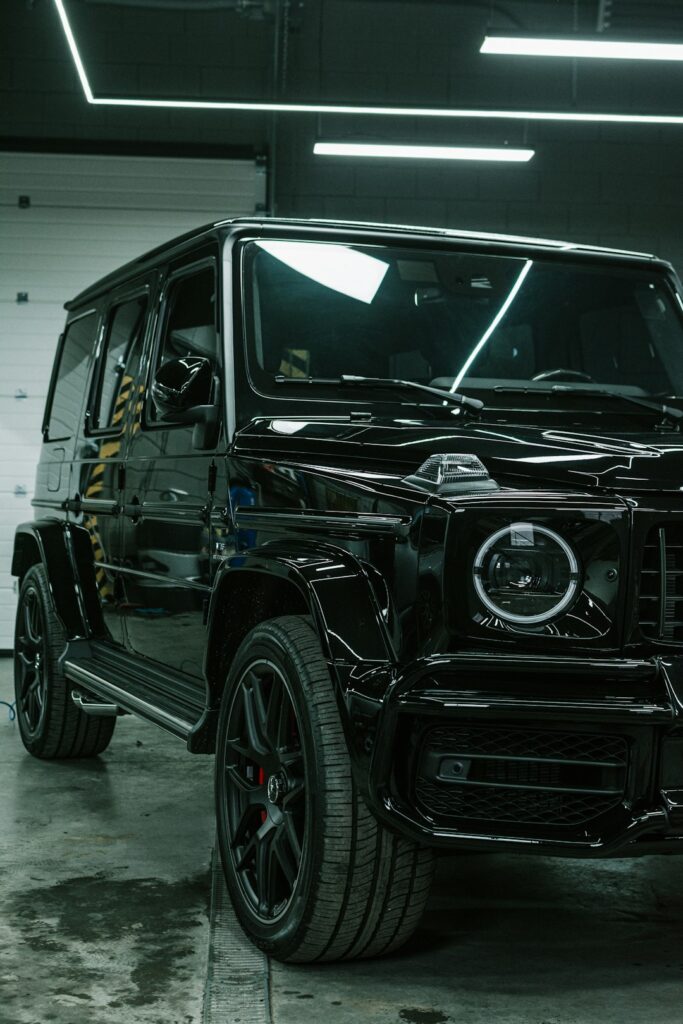
Are High-End German Cars More Prone to Specific Problems?
Yes—luxury German vehicles are known for their engineering, but certain recurring issues are widely reported by owners and auto specialists alike. Knowing what to anticipate allows local residents to budget better for maintenance and avoid surprises, especially given the variable weather and road conditions across Atlanta, GA.
German makes such as BMW, Mercedes-Benz, Audi, and Porsche are prized for technology, comfort, and performance. However, advanced systems come with their own challenges. Area households who drive these models frequently ask about the longevity and reliability factors unique to these brands. Below are some of the patterns seen most often.
Why Do Electrical Issues Seem Common in High-End German Models?
Electrical components in luxury German cars offer advanced features, but these systems can create headaches as vehicles age. Routine exposure to intense summer heat and humidity—common in Atlanta—can also accelerate some failures.
Typical symptoms include:
- Warning lights that won’t turn off, even after attempts to reset them
- Malfunctioning infotainment screens or navigation units
- Unresponsive power seats or windows
- Unexpected battery drain
Modern German cars rely heavily on electronics for nearly all functions, from climate control to driving aids. Small faults, sometimes as minor as a corroded connector or faulty sensor, can disrupt core systems. The complexity of these electrical networks means that one failed part may trigger issues elsewhere, making diagnosis more challenging than in simpler vehicles.
Why Do Atlanta Residents Report Oil Leaks More Often With German Vehicles?
Oil leaks are a well-known complaint among long-term owners of several luxury German brands. The issue is often linked to the use of rubber or plastic seals that degrade faster than the metal gaskets used in older models. The city’s alternating humid summers and cool winters can accelerate rubber breakdown.
Common leak areas include:
- Valve cover gaskets (producing oil smells or visible residue around the engine)
- Oil filter housings
- Transmission pans
For households who often park luxury vehicles outdoors, frequent temperature fluctuations and exposure to ozone can further weaken rubber components. Small leaks can quickly become costly repairs if not spotted early, so checking parking spaces for spots is a practical habit.
Should Atlanta Area Drivers Expect Suspension Problems?
German automakers focus heavily on ride comfort and performance, often using advanced multi-link suspensions, air springs, and adaptive dampers. These systems deliver impressive handling but involve more moving parts—and more things that can go wrong. Local rough roads, occasional potholes, and uneven surfaces can speed up wear.
Frequent issues may include:
- Clunking or rattling during turns or over bumps
- Uneven tire wear that’s hard to align away
- Leaning, sagging, or “bouncy” ride quality
Air suspension systems are notably prone to leaks and compressor failures over time, especially in regions with more dramatic weather swings. Even traditional setups may see faster bushing and joint wear due to city infrastructure and typical stop-and-go driving.
Why Are German Cooling Systems a Point of Concern?
Advanced cooling systems help these vehicles perform under stress but introduce maintenance quirks. Plastic coolant reservoirs, hoses, and radiator components can crack or deteriorate after several years—particularly in warmer climates.
Warning signs to look for include:
- Persistent low coolant warnings
- Overheating, especially in heavy traffic or during hot spells
- Visible coolant puddles under the car

Failing to address even minor leaks or temperature irregularities promptly can risk engine damage, which is costly to fix. Residents should pay close attention to dashboard temperature gauges and any “sweet” smells near the engine compartment.
What’s Behind the Reputation for Costly Brake Wear?
High-performance brakes are another hallmark of German luxury cars, often paired with heavier body construction. While stopping power is excellent, the trade-off is sometimes faster brake pad and rotor wear compared to many mainstream vehicles.
How this shows up for residents:
- Shorter intervals between brake replacements
- Noticeable brake dust accumulating on wheels
- Occasional vibration or squealing when braking
Factors like hilly city neighborhoods, urban stoplights, and congested rush hour traffic all contribute to accelerated wear for local drivers. Performance braking components can also cost more than non-luxury counterparts, which sometimes surprises new owners.
Are Transmission and Drivetrain Issues More Than Just Rumor?
Some German models, especially those with dual-clutch or advanced automatic transmissions, develop transmission quirks as mileage increases. Complaints include rough or delayed shifting and occasional noises when changing gears.
Maintenance for these systems can be specialized—using the wrong fluid or ignoring recommended service intervals may lead to long-term problems. Waiting too long to address shifting issues can result in more extensive drivetrain wear.
What Maintenance Patterns Help Prevent Escalating Repairs?
Staying ahead of scheduled service and addressing small issues quickly is the best defense for Atlanta locals. Unlike some non-luxury makes, ignoring warning lights or stretching maintenance intervals can lead to bigger headaches down the line.
Practical tips for local households:
- Check for leaks or warning lights regularly, especially after temperature swings or heavy storms
- Recognize that advanced systems (air suspension, turbochargers, infotainment) may benefit from shorter service intervals
- Using quality oil and fluids rated for local temperature ranges can increase longevity
Many luxury German cars boast long service intervals, but urban driving and variable weather may justify checking and servicing critical systems more often.
Are There Misconceptions About German Luxury Reliability?
A common misconception is that higher price always equals greater reliability. In reality, the complexity of German engineering means regular attention is necessary, especially in a busy urban environment. Technologies that boost performance and comfort can create more potential failure points.
However, many local owners enjoy long-term satisfaction by learning the quirks of their particular models and maintaining a regular routine tailored to local driving habits and environmental conditions.