

 See My Latest Article on HelloNation
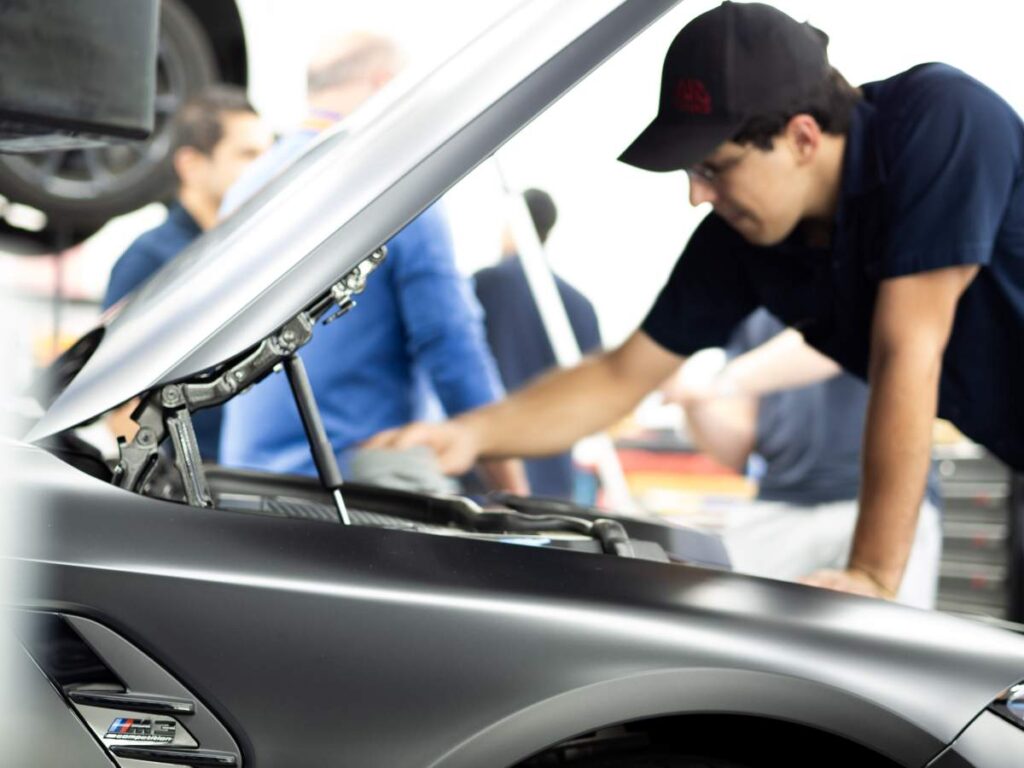
Luxury vehicles often produce quieter, more refined sounds than ordinary cars, which means a new rattle, hum, click, or vibration can be easier to notice. The sound may come from the engine, suspension, brakes, tires, drivetrain, exhaust system, or even an interior trim panel. Identifying the noise accurately is the first step toward deciding whether the vehicle is safe to drive.
What should be recorded before diagnosing the noise?
The most useful clues are when the sound occurs, where it seems to come from, and how it changes. A brief test drive can help, but observations made safely from the driver’s seat are usually enough to begin.
Record details such as:
- Whether the noise occurs during startup, idle, acceleration, braking, turning, or cruising
- Whether the engine is cold or fully warmed up
- Whether the vehicle is moving or stationary
- Whether the sound changes with vehicle speed, engine speed, or both
- Whether road bumps, rain, or temperature affect the noise
- Whether warning lights, reduced power, steering changes, or vibrations occur at the same time
A phone recording can be useful if it captures the sound clearly, but it should never be made while handling the phone during driving. A written description is also valuable. “A metallic rattle for two seconds after a cold start” is more useful than simply saying “the engine sounds bad.”
What does a noise during startup usually mean?
A brief sound at startup may come from the battery, starter, belts, timing components, or oil-pressure-related systems. The duration and character of the sound matter.
A single click with no engine rotation can indicate a weak battery, poor electrical connection, or starter problem. Repeated rapid clicking often points to insufficient battery power.
A brief metallic rattle immediately after startup may involve a loose heat shield, belt tensioner, timing component, or another part that is noisy before engine oil pressure stabilizes. If the rattle becomes longer, louder, or more frequent, it should not be dismissed as normal aging.
A squeal or chirp may come from a slipping accessory belt, worn pulley, or tensioner. Atlanta’s warm climate and frequent temperature changes can accelerate the aging of rubber components, particularly on vehicles that spend considerable time outdoors.
If a startup noise lasts more than a few seconds, returns consistently, or appears with an oil-pressure warning, shut the engine off and avoid driving until the cause is understood.
How can engine speed help identify the source?
Engine-related noises usually change when the accelerator is pressed, even when the vehicle remains stationary. With the transmission in park and the area clear, a light increase in engine speed may reveal whether the sound follows engine revolutions.
A high-pitched whine that rises and falls with engine speed may involve an accessory pulley, alternator, power-steering system, turbocharger, or vacuum leak.
A deep knocking sound is more concerning. Heavy knocking that increases under load may indicate internal engine damage, especially if accompanied by low oil pressure, reduced performance, or an illuminated warning light. Continuing to drive can turn a repairable problem into severe mechanical failure.
A hissing sound may be caused by an intake or vacuum leak, a cooling-system issue, or escaping air from a pressurized component. Hissing combined with an overheating gauge, coolant smell, or steam requires immediate attention.
Avoid placing hands, clothing, or tools near belts and fans while the engine is running. Modern engine compartments can contain moving parts that start automatically, even after the vehicle has been switched off.
What do clicking, popping, and clunking sounds during turns indicate?
Noises that appear while turning often point to the suspension, steering, wheel bearings, or driveline.
A repetitive clicking during tight, slow turns can be associated with a worn constant-velocity joint, especially if the noise is stronger while accelerating through the turn.
A single clunk when turning or moving away from a stop may come from a control-arm bushing, engine mount, sway-bar link, steering component, or driveline movement. A clunk that also appears over speed bumps deserves attention because it may involve suspension components.
A groan or creak during steering can result from a strut mount, ball joint, steering linkage, or hydraulic power-steering system. Electric steering systems may produce different symptoms, including an unusual motor sound or a change in steering effort.
Do not assume a turning noise is harmless because the vehicle still feels normal. Steering and suspension issues can progress gradually before becoming noticeable during emergency maneuvers.
What does a humming or growling noise at speed mean?
A hum that becomes louder as road speed increases often comes from tires or wheel bearings rather than the engine. The sound may continue even when the accelerator is released.
Uneven tire wear can create a repeating hum, rumble, or droning sound. Check for:
- Cupped or scalloped tread
- Uneven wear across the tire
- Low tire pressure
- A damaged sidewall
- Objects lodged in the tread
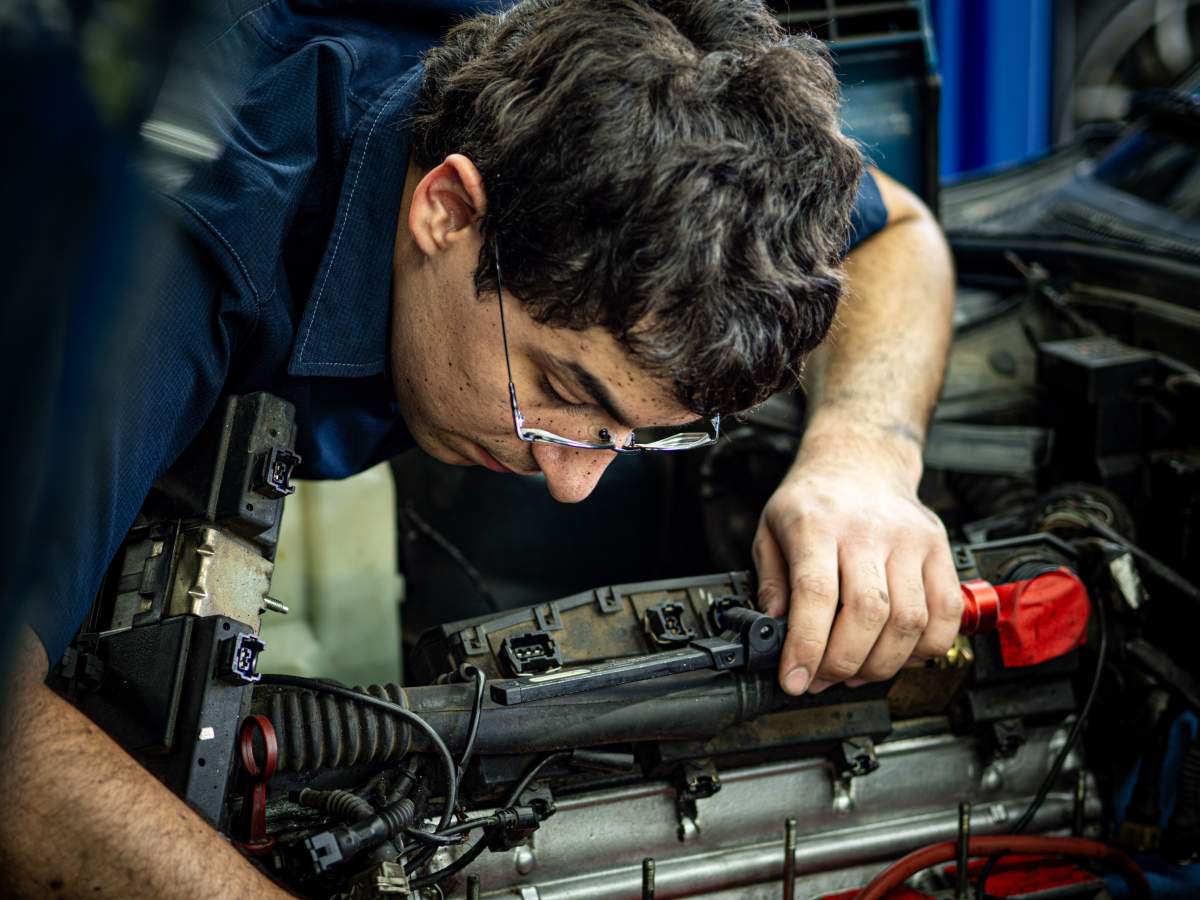
A failing wheel bearing may produce a growl that changes slightly when the vehicle is gently loaded from side to side during a curve. This type of test should only be performed cautiously on a safe, lightly traveled road.
Atlanta’s mixture of rough pavement, road repairs, heavy traffic, and frequent stop-and-go driving can place extra stress on tires, wheel bearings, bushings, and alignment components. Tire noise can also be mistaken for drivetrain noise, so inspecting the tires is a practical early step.
Why do brakes sometimes squeak, grind, or click?
Brake noises should be evaluated based on severity and timing.
A light squeak during gentle braking may result from brake-pad vibration, surface moisture, dust, or normal friction. Overnight humidity can make brakes briefly noisy, particularly after the vehicle has been parked outside.
A high-pitched squeal that continues regularly may indicate worn pads or a brake-wear indicator. A scraping or grinding sound can mean the friction material is severely depleted or that debris is contacting the rotor. Grinding should be treated as urgent because braking performance and rotor condition can deteriorate quickly.
A clicking sound when changing direction may come from brake-pad movement, loose hardware, or a caliper-related issue. If the brake pedal pulses, feels soft, or requires more pressure than usual, the vehicle should not be driven until the braking system is checked.
What interior noises are easy to overlook?
Not every unusual sound is mechanical. Loose items in the cabin, door pockets, trunk compartments, seat hardware, speaker grilles, sunroof components, and dashboard trim can create rattles that resemble suspension problems.
To narrow down an interior rattle, remove loose objects and test the vehicle on the same section of pavement. Press lightly on trim panels only while parked; do not reach toward panels or controls while driving.
A sound that disappears when the climate-control system is turned off may involve a blower motor, fan housing, or vent component. Buzzing from the dashboard may also be related to an electrical actuator rather than the engine.
When is an unusual noise unsafe to ignore?
Stop driving and seek immediate assistance if a noise occurs with:
- Loss of braking, steering, or engine power
- Smoke, steam, or a strong burning smell
- Low oil pressure, overheating, or charging warnings
- Severe vibration or shaking
- A loud metallic bang followed by fluid leakage
- Grinding from the brakes
- A wheel that feels loose or unstable
For less urgent sounds, document the conditions carefully and avoid repeated high-speed testing. A clear description of the sound, a short recording made while parked, recent maintenance information, and details about road or weather conditions can make diagnosis more accurate.
The goal is not to identify every failed component from sound alone. It is to recognize patterns, identify safety concerns early, and provide enough information for a proper inspection before a small noise becomes a larger mechanical problem.