

 See My Latest Article on HelloNation
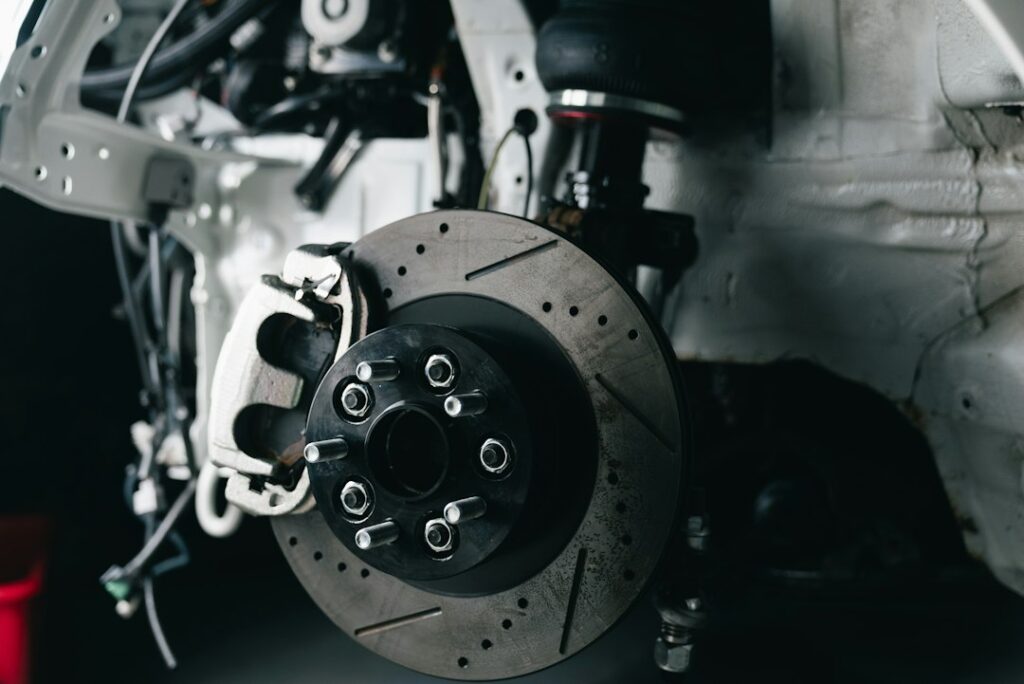
Luxury vehicles depend on precisely engineered components, and counterfeit parts can look convincing enough to fool an owner during a quick inspection. The risk is not limited to appearance: an imitation brake component, airbag, sensor, suspension part, or electronic module may fail prematurely or behave differently from the original design.
For residents of Atlanta, GA, learning how to evaluate a replacement part before installation can help prevent avoidable safety problems, diagnostic errors, and expensive follow-up repairs.
What makes a luxury car part counterfeit?
A counterfeit part is made or labeled to imitate an authentic component without authorization from the original manufacturer. It may copy the packaging, logo, part number, markings, or appearance of a legitimate item.
Counterfeit parts differ from ordinary aftermarket parts. An aftermarket component is generally sold under its own name and is not presented as an original part. A counterfeit part is misleading because it attempts to pass as something it is not.
Some imitations are crude and easy to recognize. Others use convincing packaging and similar materials, making documentation, seller history, and installation records just as important as visual inspection.
Which parts are most concerning?
Counterfeit components can appear throughout a vehicle, but safety-critical and electronically complex parts deserve the closest scrutiny.
Pay particular attention to:
- Brake pads, rotors, calipers, and hydraulic components
- Airbag modules, inflators, and seat-belt tensioners
- Steering and suspension components
- Engine control modules and other electronic control units
- Oxygen sensors, temperature sensors, and pressure sensors
- Ignition coils, spark plugs, and fuel-system components
- Timing-system parts, belts, chains, and tensioners
- Filters and fluids sold in imitation containers
- Wheels, fasteners, and structural hardware
A counterfeit floor mat may be inconvenient. A poorly manufactured brake hose or airbag component can create a serious hazard.
How can packaging reveal a fake part?
Packaging often provides the first useful clue, especially when the part has not yet been installed. Authentic packaging is usually consistent in printing quality, labeling, spelling, barcodes, security markings, and protective materials.
Look for:
- Blurry printing, uneven colors, or inconsistent fonts
- Misspelled words or unusual grammar
- Labels applied crookedly or covering other labels
- Missing production dates, batch codes, or traceability information
- Barcodes that do not scan or do not match the paperwork
- Packaging that appears previously opened, resealed, or poorly glued
- Part numbers that differ between the box, invoice, and component
- Excessive packaging or unusually thin protective material
A box alone does not prove authenticity. Counterfeiters may reuse genuine packaging or reproduce it with high-quality printing. Packaging should be compared with the component and the purchase documentation.
What should the part itself look like?
A genuine luxury vehicle component typically shows consistent manufacturing quality. Edges should be clean, molded surfaces should be even, and machined areas should not show unexplained burrs, cracks, or rough finishing.
Warning signs include:
- Lightweight construction where a dense metal component is expected
- Uneven castings, rough welds, or poorly finished edges
- Missing, incomplete, or inconsistent markings
- Engraved numbers that appear shallow, crooked, or easily scratched
- Fasteners with unusual finishes or incorrect head shapes
- Rubber that feels brittle, overly soft, or strongly chemical-smelling
- Electrical connectors that fit loosely or require unusual force
- Gaskets, seals, or clips that do not match the original design
- Differences in color, texture, hole placement, or dimensions
Some authentic components may have minor cosmetic variation, particularly after a design revision. A single visual difference is not conclusive, but several inconsistencies together justify further verification.
Can a part number prove authenticity?
A matching part number is helpful but not sufficient. Counterfeiters commonly copy legitimate numbers, and a real number can be printed on an unauthorized component.
Verification should include several details:
1. Compare the number on the part with the box and invoice.
2. Check whether the number follows the vehicle manufacturer’s normal formatting.
3. Confirm that the part is intended for the exact vehicle year, engine, trim, and production range.
4. Look for superseded numbers or revised versions.
5. Compare connector locations, mounting points, dimensions, and included hardware.
6. Review whether the seller can explain the part’s chain of custody.
A part number that belongs to a different model or production period may indicate a counterfeit, a misboxed component, or an incorrect replacement.
Why is the seller and price relevant?
An unusually low price is not automatic proof of fraud, but it deserves an explanation. Luxury vehicle parts can vary in price because of manufacturing source, availability, warranty coverage, and whether the part is new, remanufactured, used, or surplus.
Greater risk exists when a listing:
- Uses stock images instead of photos of the actual component
- Avoids showing labels, markings, or the underside of the part
- Claims to be new but has no manufacturing or warranty information
- Uses vague descriptions such as “OEM quality” without identifying the source
- Offers several unrelated parts with identical packaging
- Pressures the buyer to pay outside a normal transaction system
- Has inconsistent return policies or incomplete documentation

A legitimate non-original part should be clearly identified as aftermarket, remanufactured, used, or refurbished. Ambiguous wording is a reason to pause before installation.
What should be checked before installing the part?
Before installation, keep the packaging, invoice, photographs, and any related correspondence. Photograph the part from several angles, including its markings and connectors. This creates a record if the component later causes a problem.
Compare the replacement part with the removed component when practical. Check:
- Overall dimensions
- Mounting holes and brackets
- Connector shape and pin arrangement
- Hose or pipe locations
- Sensor orientation
- Weight and material
- Included seals, clips, bolts, or washers
Do not modify a questionable component to make it fit. Filing a mounting hole, forcing an electrical connector, or substituting an unapproved fastener can create a second problem and make later identification more difficult.
What problems can counterfeit parts cause?
Counterfeit parts may fail immediately, but many create intermittent symptoms that are difficult to diagnose. A sensor may send inaccurate data. An electronic module may communicate inconsistently with the vehicle. A brake component may produce noise, vibration, uneven stopping, or excessive heat.
Possible consequences include:
- Warning lights that return after clearing
- Reduced braking performance
- Premature wear of related components
- Electrical faults that appear and disappear
- Fluid leaks
- Poor engine operation or difficult starting
- Airbag or restraint-system faults
- Problems passing required safety or emissions inspections
Atlanta’s hot summers, heavy rain, stop-and-go traffic, and frequent temperature changes can place additional stress on rubber, adhesives, electronics, and braking systems. That does not make every local part failure counterfeit, but harsh operating conditions can expose weak materials sooner.
What should happen if a part seems suspicious?
Do not install a questionable safety or electronic component simply because it appears to fit. Separate it from confirmed parts, preserve the packaging, and document where and when it was purchased.
If a suspicious component has already been installed, avoid repeated testing that could create a safety risk. Brake, steering, airbag, fuel, and high-voltage vehicle systems require particular caution. A qualified technician may be necessary when the part affects safe operation, legal road use, or systems that can store hazardous energy.
The most reliable approach is not based on one clue. Packaging quality, part markings, fit, documentation, seller transparency, and vehicle compatibility should all tell the same story. When those details do not agree, treating the component as unverified is safer than assuming it is genuine.