

 See My Latest Article on HelloNation
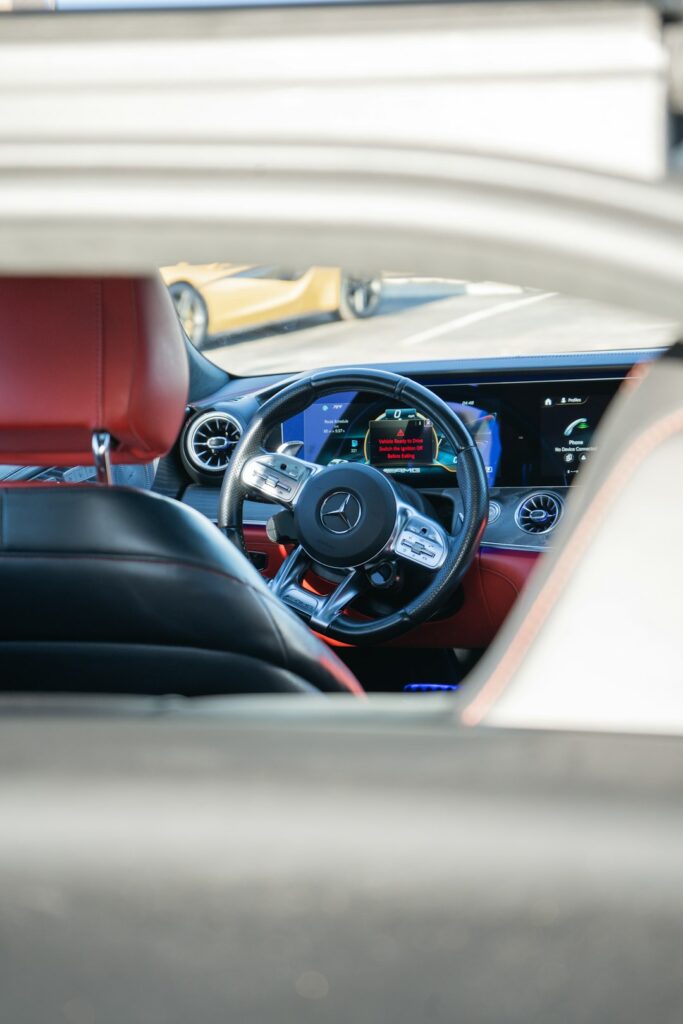
How Does Atlanta’s Climate Affect Luxury Vehicle Maintenance?
The mix of heat, humidity, and seasonal downpours in Atlanta, GA can take a toll on high-end vehicles. Local conditions—like prolonged sun exposure or frequent rain—can lead to premature wear on both exterior surfaces and internal systems.
In a humid climate, moisture can collect in hard-to-reach places, launching corrosion on brake components or electronic systems. Sunlight and ozone, meanwhile, can hasten the aging of leather, paint, and rubber seals.
Owners who regularly check for early signs of wear—such as window seals starting to crack, or a musty odor from the ventilation system—tend to avoid surprises. Simple actions like using a windshield sunshade, parking in shaded or covered areas during summer, and washing off pollen and sap after storms help protect both appearance and function.
What Routine Checks Should Luxury Car Owners Prioritize?
Consistent attention to a few details can keep high-value vehicles running smoothly for years. Every luxury car benefits from a structured inspection routine, even when mileage is low.
Essentials to monitor at home or during regular professional visits:
- Fluid levels and quality (engine oil, transmission fluid, brake fluid, coolant)
- Tire tread depth, pressure, and sidewall condition (adjusted for local temperature swings)
- Battery charge and visible corrosion (especially if parked outside in humid months)
- Brake function, including responsiveness and any warning sounds
- Operation of all exterior lighting
Updating maintenance logs—detailing what was checked and when—can prevent duplicate work, missed steps, or confusion as vehicles age or transfer households.
How Often Should Oil and Other Fluids Be Changed?
Oil and other fluid change intervals vary more among luxury models than many people expect. In the city, frequent short trips and traffic congestion sometimes justify earlier fluid changes, even if digital dashboards suggest longer intervals.
Engine oil: Many premium engines in the area perform best with fresh oil every 5,000–7,500 miles or once a year, especially if mainly used for short daily drives. Modern synthetic oils last longer but should still be checked visually for color and texture, as stop-and-go driving causes more contamination.
Transmission, brake, and coolant fluids: These last longer (commonly 2–5 years), but Atlanta’s fluctuating seasons can accelerate fluid degradation. Transmission fluid is often forgotten, but heat buildup on summer highways can thin the fluid faster. Always refer to the specific manual, and don’t hesitate to ask about climate-specific intervals.
What About Tire Care and Road Hazards in the City?
Luxury vehicles frequently have low-profile, high-performance tires that are more vulnerable to Atlanta’s uneven asphalt, potholes, and sharp debris. Spending a few moments each month checking tires can prevent expensive wheel or suspension repairs.
Tips for tire longevity:
- Keep tires inflated to the manufacturer’s recommended pressure—checked when the tires are “cold.”
- Rotate tires at recommended intervals to even out wear from city driving and tight turns.
- After encountering a pothole or curb, check for sidewall bubbles or sudden loss in pressure—visible damage may signal internal weakness.
- In warm seasons, over-inflation is as risky as under-inflation; rapid pressure increases during hot afternoons can distort tread or affect sensor readings.
How Can Vehicle Electronics Be Protected from Atlanta’s Humidity?
Luxury cars increasingly rely on sensitive electronics, which are susceptible to moisture. Signs of trouble, such as erratic dashboard warnings or intermittent sensor malfunctions, are sometimes caused by humidity creeping into connectors or control modules.
To minimize electronic issues:
- Ensure window, door, and trunk seals remain pliable to prevent water intrusion.
- Address any signs of condensation inside headlamps, tail lamps, or the cabin quickly.
- Have any electrical irregularities—like unexplained warning lights—checked as soon as possible to prevent cascading failures.
Maintaining a regular driving schedule, rather than letting a vehicle sit unused, also helps keep systems dry and batteries at optimal charge.
Are Local Driving Patterns Impacting Vehicle Wear?
Luxury vehicle owners in the city often face frequent, short trips, heavy traffic, and idling at traffic lights. These patterns put unique stress on engines, transmissions, and HVAC systems. Unlike highway commuting, city driving rarely allows full engine warm-up or consistent speeds.
Effects to be aware of:
- Stop-and-go mileage stresses cooling systems and can lead to carbon buildup.
- Frequent short drives may cause battery charge to dip over time.
- HVAC filters may clog faster due to pollen, dust, and construction particulates—especially in neighborhoods with mature trees or ongoing development.

Residents who drive infrequently (for example, garage-stored vehicles in multi-car households) may benefit from occasional longer drives to help lubricate moving parts, recharge the battery, and allow automatic cleaning features in emission systems to activate.
What Daily Habits Protect Luxury Vehicles from Premature Aging?
Many durability concerns are avoided with simple, repeatable actions that don’t require special expertise.
Beneficial habits for owners include:
- Washing vehicles regularly—especially during pollen season or after heavy rains—to remove corrosive contaminants.
- Using high-quality, UV-protective products on leather interiors and exterior trims.
- Avoiding extended idling, which generates unnecessary engine heat and fuel residue.
- Skipping overuse of automatic car washes with harsh brushes that can leave micro-scratches on gloss finishes.
In shared residential complexes, consider covering vehicles that sit outside for extended periods, especially between late spring and early fall.
When Are Professional Inspections or Repairs Unavoidable?
While many tasks can be managed at home, certain signs mean specialized assessment is needed:
- Warning lights that persist after a brief restart
- Fluid leaks of any color or odor
- Unusual noises that aren’t easily connected to seasonal factors (e.g., chirping belts after overnight cold snaps)
- Visible rust or bubbling paint around seams
Some safety or emissions-critical repairs require tools or access only available with technical equipment, or may be required by local laws before registration renewals.
How Do Seasonal Changes in Atlanta Affect Vehicle Longevity?
Each season brings its own risks and opportunities for extending vehicle life:
- Spring and summer: Humid air, thunderstorms, and tree pollen often lead to clogged filters or window seals showing wear.
- Autumn: Falling leaves sometimes block drains in windshields or trunk areas, risking unseen water buildup.
- Winter: Occasional cold snaps (and rare ice) can impact tire pressure or battery reserves—defensive season-specific checks make a difference.
Monitoring for weather-triggered changes—like shifting tire pressure or electronic gremlins after major weather swings—helps prevent small issues from growing.