

 See My Latest Article on HelloNation
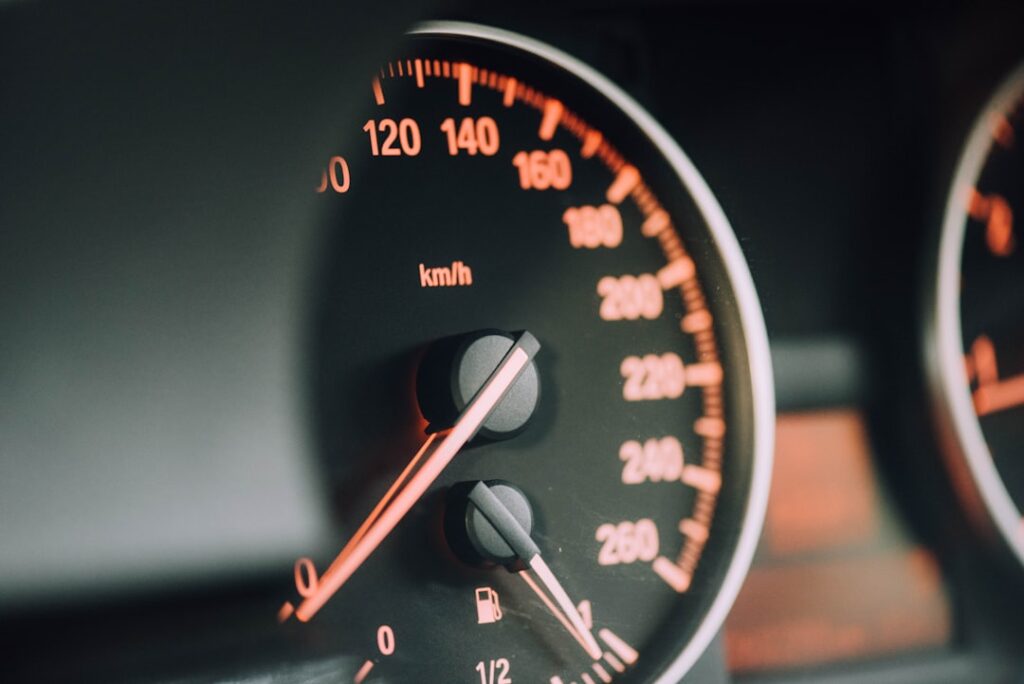
What Are Immediate Warning Signs in a Luxury Car?
Luxury vehicles often signal trouble differently than standard cars, making it easier to miss problems needing fast action. Because these vehicles rely on complex electronics, specialized parts, and advanced safety systems, even subtle changes might indicate a serious underlying issue. In Atlanta, GA, with stop-and-go traffic, temperature swings, and heavy summer storms, these warning signs deserve close attention to protect both your investment and personal safety.
Why Does the Check Engine Light Matter in Atlanta?
A check engine light that appears suddenly should not be ignored, regardless of weather or where you drive in the city. In luxury vehicles, this warning may be triggered by anything from a loose gas cap to engine misfires or emissions failures. However, Atlanta’s extended heat waves and humidity can cause sensor issues or accelerated wear on key engine parts, increasing the risk of drivability problems. Local drivers sometimes dismiss a solid check engine light, but persistent illumination—especially when accompanied by odd noises, loss of power, or warning chimes—calls for immediate investigation.
Is Unusual Noises a Sign of a Serious Problem?
Yes, new or louder noises from a luxury car’s engine, brakes, or suspension usually mean something isn’t right. For example:
- Squealing or grinding when braking may indicate worn brake pads or warped rotors, which can compromise braking distance on steep Atlanta roads.
- Knocking or ticking from the engine area often points to oil circulation issues, and during hot Georgia afternoons, this can quickly escalate into overheating or engine damage.
- Hissing may mean a coolant or vacuum leak—both significant risks for vehicles parked outside in Atlanta’s summer heat.
Not all noises are immediately catastrophic, but changes in sound should be checked promptly, especially if they increase with speed or cornering.
How Critical Are Temperature and Fluid Warnings?
Fluid-level and temperature alerts on a luxury car’s dashboard are not suggestions—they are critical warnings. In Atlanta’s climate, cooling systems work overtime to keep engines from overheating. Signs like a temperature gauge rising above normal, warning messages about coolant, or visible fluid leaks under the parked car signal a risk of engine damage or breakdown.
Ignoring low oil, coolant, or transmission fluid warnings can be especially damaging, as luxury cars often require specific fluids for performance and longevity. Running low or using the wrong type, a risk during extended periods of city driving or after minor fender benders, can trigger expensive repairs.
Do You Need to Worry About New Odors from Your Car?
Unexpected smells inside or around a luxury vehicle almost always call for quick attention. These can be indicators of:
- Burning oil or rubber, suggesting leaking lubricants onto hot components, or a failing drive belt—especially risky during long commutes in Atlanta traffic.
- Sweet, syrupy odor, often a sign of leaking coolant, especially common after driving through standing water or potholes.
- Electrical, “hot plastic” smells, which could mean overheated wiring or failing electronics—a risk increased by Atlanta’s fluctuating humidity and pollen.
If problematic odors persist, safe ventilation and prompt troubleshooting can help prevent more severe, expensive electrical or engine issues.
When Are Vibrations or Driving Changes an Urgent Concern?
Strong vibrations, pulling to one side, or changes in the way your luxury car drives are rarely minor annoyances. In the city, rough pavement, construction zones, or curb impacts can cause:
- Tire or wheel damage, which can lead to blowouts or alignment problems, especially dangerous at Atlanta’s higher-speed highway interchanges.
- Steering instability, potentially from worn suspension parts or underinflated tires—a safety risk in wet or crowded road conditions.
- Sluggish acceleration or delayed shifting, which could reveal failing transmission components or electronic control faults unique to luxury models.
Ignoring these changes can jeopardize handling and safety, and continued use may lead to larger, costlier repair needs.
Can Dashboard Warning Symbols Be Ignored?
Modern luxury vehicles are filled with dashboard symbols covering everything from brake systems to air suspension. While not every warning means the car will break down immediately, certain lights should never be ignored, including:

- Brake system, ABS, or stability control warnings (especially vital on the hilly areas and during heavy rainfall)
- Airbag or restraint system alerts, which may signal disabled safety features after minor incidents or battery drain
- Tire pressure monitoring notifications, as underinflated tires increase blowout or hydroplaning risk on Atlanta roads
Drivers sometimes think a warning is just a sensor glitch—however, newer luxury models rarely provide false alerts, so investigation is always justified.
How Might Seasonal Changes in Atlanta Affect Urgent Car Problems?
Luxury vehicles in Atlanta face challenges from summer heat, sudden cold snaps, humidity, and thunderstorms. Typical local scenarios that worsen urgent issues include:
- Prolonged exposure to intense sunlight, causing interior electronics or dashboard components to fail sooner
- Water intrusion from heavy seasonal rainfall, potentially damaging sensitive electronics
- Short city drives with frequent stops, which can stress braking, battery, and hybrid systems more than typical suburban or highway driving
Knowing these seasonal influences can help local residents recognize and interpret urgent warning signs more quickly.
Are Warning Signs Always Obvious?
Many luxury car owners in the community expect warning signs to be clear, but sometimes the first signs are subtle. For example:
- Infotainment or navigation system glitches that precede total electronics failure
- Unexpected drops in fuel efficiency before a major engine or emission problem emerges
- Slight but persistent vibration that indicates early tire or wheel imbalance
Local drivers traveling short distances or who garage their vehicles may overlook these signs, assuming the car is protected from wear. Even small changes in performance, comfort, or dashboard behavior should be evaluated, especially in vehicles designed with advanced sensors and electronics.