

 See My Latest Article on HelloNation
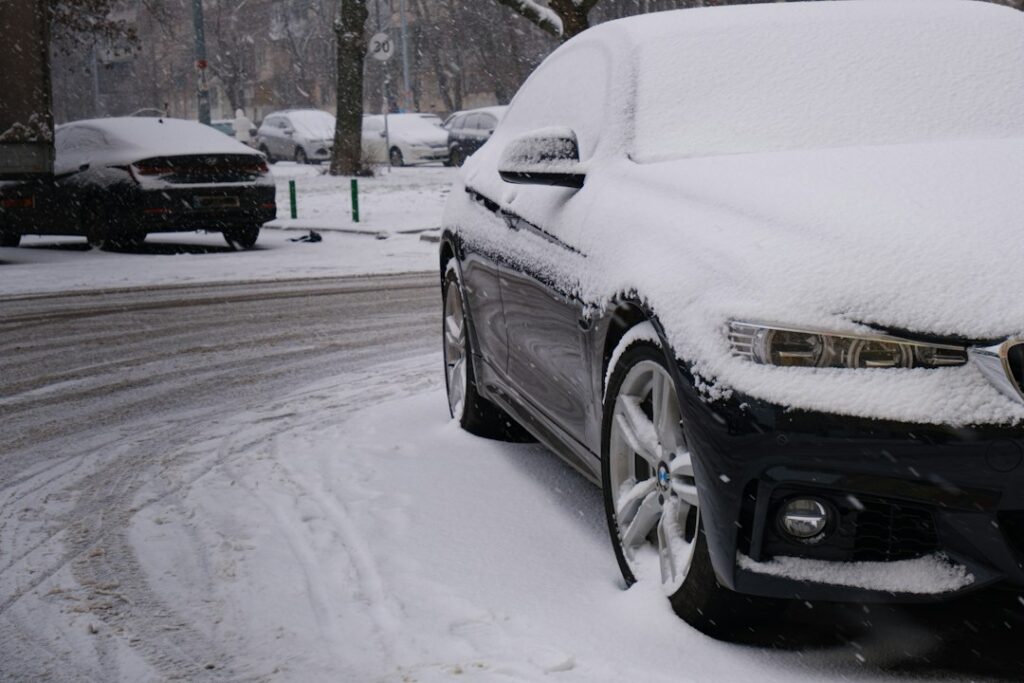
Winter in Atlanta, GA is usually milder than in many parts of the country, but luxury vehicles can still experience cold-weather problems. Brief freezes, damp conditions, sudden temperature drops, and infrequent snow or ice events may affect batteries, tires, fluids, electronics, paint, and suspension components.
Luxury vehicles often include more electronic systems, tighter tolerances, specialized materials, and low-profile tires than ordinary passenger cars. These features improve comfort and performance, but they can also make seasonal neglect more noticeable.
Why can mild winter weather still affect an upscale vehicle?
Even without prolonged freezing temperatures, winter conditions can change how a vehicle operates. A cold morning may reduce battery output, increase engine-oil thickness, lower tire pressure, and make rubber components less flexible.
The issue is often not a single severe storm. Repeated cycles of cool nights, damp mornings, and warmer afternoons can gradually expose a weak battery, aging seal, or underinflated tire.
Local driving patterns also matter. Many vehicles sit outside overnight, remain parked for several days, or make short trips that do not fully recharge the battery or bring the engine and exhaust system to normal operating temperature.
How does cold weather affect the battery?
Cold temperatures reduce a battery’s ability to deliver electrical power, while starting the engine requires more energy. A battery that seems adequate during warm weather may struggle during a freeze.
Luxury vehicles can be particularly sensitive because they may power numerous systems while parked, including:
- Security systems
- Keyless-entry sensors
- Connected services
- Alarm systems
- Memory functions
- Interior monitoring equipment
- Electronic control modules
A weak battery may cause slow cranking, warning messages, flickering lights, or unusual behavior from windows, locks, infotainment equipment, or driver-assistance features. In some vehicles, low voltage can create several warnings at once, even when the underlying problem is simply insufficient battery power.
Short trips can make the situation worse. Starting the vehicle uses substantial energy, and a brief drive may not restore the charge fully. If a vehicle remains unused for several days, the battery may lose additional charge through normal electrical draw.
Does winter lower tire pressure?
Yes. Tire pressure generally decreases as air temperature falls. A change of roughly 10 degrees Fahrenheit can produce a noticeable pressure change, although the exact amount varies by tire and conditions.
Underinflated tires can affect:
- Steering response
- Braking distance
- Ride quality
- Fuel economy
- Tire wear
- Stability-control operation
Low-profile performance tires may be more vulnerable to damage from potholes, broken pavement, and sharp road edges. Cold rubber also offers less flexibility until the tires warm during driving.
Tire pressure should be checked when the tires are cold, preferably after the vehicle has been parked for several hours. The correct target is the manufacturer’s recommended pressure listed on the vehicle information label, not the maximum pressure printed on the tire sidewall.
A tire-pressure warning should not be ignored simply because the weather is expected to warm later. Pressure may rise with temperature, but the tire can remain underinflated.
What happens to engine oil and other fluids in colder weather?
Cold temperatures make engine oil more viscous, meaning it flows more slowly during the first moments after startup. Modern vehicles are designed around specific oil viscosities, and using the wrong grade can affect lubrication and engine performance.
The vehicle should be started and driven gently rather than left idling for a long period. A short period of operation allows oil circulation, but the engine and drivetrain reach normal conditions more effectively through moderate driving.
Other fluids can also be affected:
- Coolant protects against freezing and helps regulate engine temperature.
- Brake fluid absorbs moisture over time, which can reduce its boiling point and contribute to a less consistent pedal feel.
- Windshield washer fluid may freeze if it is not rated for cold temperatures.
- Transmission and differential fluids become thicker when cold.
- Power-steering fluid, where applicable, may respond more slowly during the first few minutes.
A vehicle that loses coolant or shows signs of fluid contamination should not be treated as experiencing a normal seasonal change.
Can winter weather damage suspension and brakes?
Cold weather itself does not usually damage a properly maintained suspension, but winter road conditions can expose existing weaknesses. Potholes, pavement joints, and rough surfaces may become more difficult to avoid when visibility is reduced by rain, fog, or glare.
Luxury vehicles with adaptive dampers, air suspension, electronically controlled steering, or complex ride-height systems may display warning messages after a hard impact. A single warning does not always indicate a major failure, but it should be documented and monitored.
Moisture can also cause temporary surface rust on brake rotors, especially after rain or overnight condensation. A light film may disappear after normal braking. Persistent grinding, vibration, pulling, or reduced braking performance requires prompt attention.
Parking with the electronic parking brake engaged after driving through heavy moisture is generally normal, but long periods of storage in wet conditions can allow brake components to bind or corrode, particularly if the vehicle is not driven regularly.
How do freezing temperatures affect doors, windows, and seals?
Rubber door seals, window channels, trunk gaskets, and sunroof seals become less flexible in cold weather. Water trapped in these areas can freeze and make doors or windows difficult to operate.
Forcing a frozen window or door can damage:
- Window regulators
- Motor components
- Weather stripping
- Door handles
- Frameless glass systems
- Sunroof mechanisms

Vehicles with frameless windows may lower the glass slightly when a door opens. If the glass is frozen in place, pulling the door open can place stress on the window system.
Use gentle heat from the vehicle’s climate system and avoid pouring hot water over glass or painted surfaces. Rapid temperature changes may crack glass or damage finishes.
Are electronics more vulnerable during winter?
Cold temperatures can slow electronic components and reduce battery voltage, but moisture is often the larger concern. Condensation may form when a cold vehicle is moved into a warm, humid environment. Repeated temperature changes can affect connectors, sensors, cameras, and control modules over time.
Driver-assistance equipment may also behave differently when cameras, radar sensors, or parking sensors are covered by condensation, road spray, frost, or dirt. Warning messages should be interpreted carefully rather than dismissed as routine winter behavior.
Before driving, clear snow, ice, condensation, and road film from sensors and cameras. Do not scrape delicate sensor surfaces aggressively or cover them with aftermarket materials that may interfere with their operation.
What winter habits help protect a luxury vehicle?
A few practical habits reduce seasonal strain:
- Check tire pressure at regular intervals, especially after a temperature drop.
- Test the battery if starting becomes slower or the vehicle sits unused.
- Keep the fuel level reasonably full during freezing conditions to reduce condensation in the tank.
- Wash away road grime and deicing residue after exposure to treated roads.
- Inspect door, trunk, and sunroof seals for cracks or trapped debris.
- Drive long enough for the engine, transmission, brakes, and exhaust system to reach normal operating temperature.
- Keep windshield washer fluid suitable for freezing conditions.
- Review warning messages instead of clearing them without identifying the cause.
- Avoid aggressive acceleration and braking until tires have warmed and road surfaces are confirmed dry.
Infrequent snow does not eliminate the need for preparation. Ice, wet pavement, and sudden freezes can create more risk than a steady period of cold weather because drivers and vehicles may be less accustomed to those conditions.
Which winter symptoms should not be ignored?
Some signs suggest more than a temporary cold-weather effect:
- Repeated battery failure
- A warning light that remains after the vehicle warms up
- Tire-pressure loss in one tire
- Steering-wheel vibration after hitting a pothole
- Brake grinding or a soft pedal
- Uneven ride height
- Water entering the cabin
- Windows or doors that continue to bind
- Repeated electrical faults
- A burning smell, fluid leak, or overheating condition
Luxury vehicles often provide detailed warnings, but those messages still require context. A low-voltage event can trigger several unrelated alerts, while a single tire-pressure warning may indicate a puncture rather than ordinary temperature change. Careful inspection helps separate normal seasonal behavior from a developing mechanical or electrical problem.