

 See My Latest Article on HelloNation
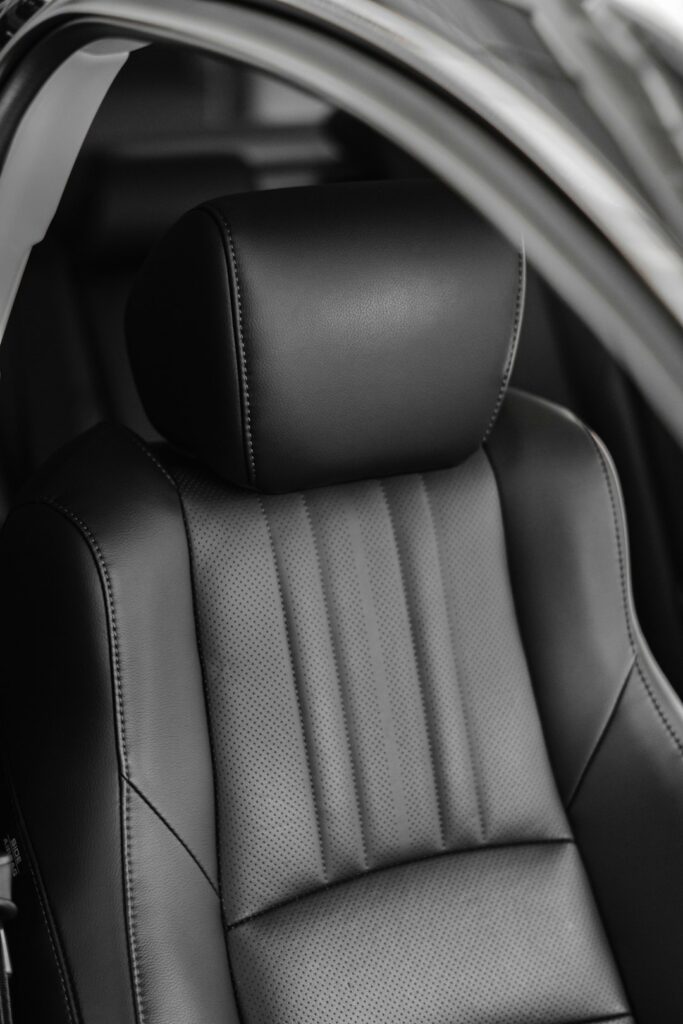
Leather interiors in luxury cars need more than occasional wiping. Heat, humidity, sunlight, body oils, clothing friction, and spilled liquids can gradually dry, stain, or weaken leather surfaces. For Atlanta, GA drivers, regular care is especially useful because warm weather and high humidity can make interior materials feel damp one day and overheated the next.
How often should leather seats be cleaned?
Most leather seats benefit from light cleaning every four to six weeks, with more frequent attention in vehicles used daily, parked outdoors, or carrying children and pets. A deeper cleaning may be needed every three to six months, depending on use and the type of leather.
Routine care should remove surface dust before it becomes embedded in seams and perforations. Pay attention to:
- Seat bolsters that receive repeated contact when entering and exiting
- Steering wheels and gear selectors exposed to hand oils
- Armrests and door panels touched frequently
- Perforated seating, where debris can collect in small openings
- Rear seats exposed to child seats, pets, bags, or sports equipment
A short, consistent cleaning session is safer than waiting until the leather looks visibly dirty. Heavy buildup often requires more pressure, which can wear the protective finish.
What is the safest way to clean leather?
Begin by removing loose dust with a soft, clean microfiber cloth or a vacuum fitted with a soft brush attachment. Avoid dragging the vacuum nozzle directly across the leather, especially on raised stitching or perforated sections.
For general cleaning:
1. Test the cleaner on a hidden area first.
2. Apply a small amount of leather-safe cleaner to a cloth or soft brush rather than soaking the seat.
3. Work in small sections using gentle circular motions.
4. Wipe away residue with a separate damp microfiber cloth.
5. Dry the surface with a clean towel.
The leather should not become saturated. Excess moisture can collect inside seams, under seat cushions, or in perforations. If a cleaner leaves the surface greasy, slippery, unusually glossy, or strongly scented, it may be leaving behind residue rather than removing it.
Household cleaners are often too harsh for automotive leather. Products containing bleach, ammonia, strong solvents, alcohol, or abrasive particles may discolor the finish or cause premature cracking.
Does leather conditioner prevent cracking?
Conditioner can help maintain flexibility, but it cannot reverse severe drying, peeling, or damaged protective coatings. Modern automotive leather is usually finished with a protective surface layer, so excessive conditioning may create a greasy film without meaningfully penetrating the material.
Use conditioner sparingly and follow the product directions. A suitable conditioner should:
- Be made specifically for automotive leather
- Be compatible with coated or finished leather
- Leave little or no oily residue
- Be tested first in an inconspicuous location
- Be buffed off if the instructions require it
Conditioning is most useful after cleaning, not as a replacement for cleaning. Applying conditioner over dirt can seal oils and grime against the surface. Avoid conditioning suede-like materials, synthetic microfiber upholstery, or specially treated surfaces unless the manufacturer specifically permits it.
How does Atlanta’s climate affect leather interiors?
Warm weather increases the risk of surface heat, fading, and accelerated drying. High humidity can also contribute to a damp interior, especially when a vehicle is parked with wet floor mats, damp clothing, or limited ventilation.
During hot months, practical habits include:
- Using a windshield sunshade when parked in direct sunlight
- Parking in shade when available, while still considering personal and vehicle security
- Removing wet items instead of leaving them inside overnight
- Wiping away sweat and sunscreen from seats and steering wheels
- Allowing the cabin to ventilate before applying cleaners
- Keeping windows closed during heavy rain to limit moisture intrusion
Sun exposure affects more than color. Ultraviolet light can weaken coatings, dry stitching, fade dashboards, and make high-contact areas age faster. A sunshade helps reduce interior temperature and direct exposure, although it does not replace regular cleaning.
What should be done about spills and stains?
Blot fresh spills quickly with an absorbent, clean cloth. Do not rub aggressively, because rubbing can spread the liquid and work it into the finish or stitching. Water-based spills should generally be blotted first, followed by gentle cleaning if a mark remains.
For oily substances such as lotion, food grease, or makeup, remove the excess carefully with a clean cloth before using a leather-safe cleaner. Avoid household powders, harsh degreasers, and improvised solvents. These may remove color or create a lighter patch that is more noticeable than the original stain.
Ink, dye transfer, and deeply absorbed stains can be difficult to correct without changing the appearance of the surrounding leather. Scrubbing harder often enlarges the damaged area. If the leather is peeling, sticky, cracked through the finish, or discolored after cleaning, the issue may involve the coating rather than surface dirt.
How can wear on seat bolsters be reduced?
Seat bolsters often wear first because drivers slide across them while entering and exiting. The problem is especially common in vehicles with firm sport seats or low seating positions.
Reduce friction by:
- Sitting down before turning into position rather than sliding across the bolster
- Keeping metal belt hardware, keys, and sharp objects away from the seat
- Avoiding rough clothing accessories that repeatedly scrape the surface
- Adjusting the seat and steering wheel to make entry easier
- Checking whether a child seat or cargo item is pressing against the leather

Repeated abrasion can create shiny patches, color loss, or cracks. Once the protective finish is worn away, cleaning alone will not restore the original texture.
Are leather wipes safe for luxury-car interiors?
Some leather wipes are suitable for occasional use, but “leather” on the label does not guarantee compatibility with every automotive finish. Wipes may contain detergents, preservatives, or conditioning agents that leave residue or alter the sheen.
Avoid using household disinfecting wipes unless the vehicle manufacturer specifically approves them. Strong disinfectants may dry the surface or affect dyed leather. If disinfection is necessary, follow the vehicle’s care instructions and test the product on a hidden area first.
The same caution applies to dashboard dressings. Products that create a glossy appearance can cause glare on the windshield, make steering wheels slippery, and attract dust. A naturally clean, low-sheen finish is generally safer for driving.
When does leather damage require more than routine care?
Routine cleaning is appropriate for dust, light grime, and minor surface marks. More serious conditions include:
- Cracks that expose a lighter layer beneath the finish
- Peeling or flaking surfaces
- Sticky or softened leather that does not dry normally
- Torn seams or loose stitching
- Dye transfer that remains after gentle cleaning
- Water damage accompanied by odor or discoloration
- Mold-like spotting or persistent dampness
These conditions may involve the upholstery coating, foam, stitching, or moisture underneath the surface. Continued scrubbing can increase the damage. Any mold-like growth or strong persistent odor should be handled carefully, particularly for occupants with respiratory sensitivities.
Leather care also provides an opportunity to inspect the cabin for less visible problems. Damp carpeting, blocked drainage, damaged door seals, and leaking climate-control components can affect the interior even when the seats appear clean. Addressing the source of moisture matters more than repeatedly treating the upholstery.
A practical maintenance routine
A simple schedule works well for most drivers:
- Weekly: Remove dust, crumbs, and loose debris.
- Every four to six weeks: Clean high-contact areas and inspect seams.
- Every few months: Clean the full leather interior and apply a compatible conditioner if needed.
- Before and after hot-weather periods: Check for fading, drying, sticky surfaces, and sun-related wear.
- After spills or rain exposure: Dry the cabin promptly and inspect floor areas for trapped moisture.
Careful cleaning, limited product use, sun protection, and quick attention to spills can preserve the appearance and feel of leather without over-treating it.